Patients often receive clear medical advice and still struggle to follow it. They may understand that they should exercise, improve their diet, monitor their blood pressure, take medication regularly, or attend follow up appointments. Knowing these actions are important does not guarantee they will become part of daily life.
Health behavior is shaped by more than knowledge.
A patient may understand the benefits of healthy food but lack the money, time, or access needed to change their diet. Someone may know that exercise could improve their condition but live with pain, fatigue, limited mobility, or an unsafe neighborhood. A patient may intend to take every dose of medication but forget during a busy workday or stop because of side effects.
Information explains what should happen. It does not always remove what stands in the way.
Habits also have considerable influence. Many daily behaviors have developed over years and are tied to routines, emotions, family customs, and social environments. A brief conversation during a medical appointment may not be enough to change patterns that feel familiar or comforting.
Confidence matters as well. Patients who have tried and failed to change before may believe another attempt will end the same way. Others may feel overwhelmed by complicated instructions or several health goals presented at once. When the task feels too large, doing nothing can seem easier.
Healthcare providers can help by moving beyond general advice. Instead of simply telling a patient to lose weight, exercise more, or eat better, they can help create a specific and realistic plan. Small goals, clear instructions, regular encouragement, and discussion of likely barriers can make action feel possible.
Patients should also speak honestly about what they can manage. Agreeing to a plan that cannot be followed helps neither the patient nor the provider. A treatment plan works best when it reflects the patient’s health, resources, routines, concerns, and readiness to change.
Support between appointments can strengthen progress. Reminders, health coaching, remote monitoring, family involvement, and regular communication can help patients continue when motivation declines or difficulties arise.
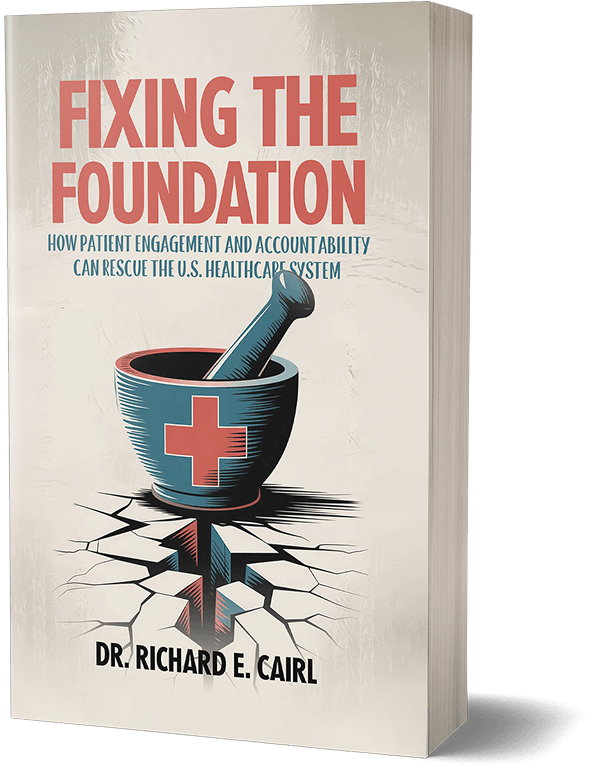
In Fixing the Foundation: How Patient Engagement and Accountability Can Rescue the U.S. Healthcare System, Dr. Richard E. Cairl examines why patient education alone often fails to produce lasting change. The book explains how communication, readiness, practical support, technology, and shared responsibility can help patients turn medical advice into daily action.
Knowing what to do is only the beginning. Better health depends on helping patients understand how to do it, believe they can do it, and continue doing it when life makes change difficult.
Get your copy today: https://www.amazon.com/dp/B0GRCRBKB6/