Medical appointments can feel rushed. Patients may hear unfamiliar terms, receive new instructions, and leave with questions they did not think to ask. Taking a few minutes to confirm the details can prevent confusion and help patients follow their care plans correctly.
Before leaving an appointment, ask these ten questions:
- What is my diagnosis, and what does it mean?
Ask for a clear explanation of the condition, including how it may affect your health and daily life.
- What should I do next?
You should leave knowing the immediate steps, such as taking medication, scheduling a test, changing a habit, or arranging another visit.
- How should I take this medication?
Confirm the dose, timing, length of treatment, possible side effects, and whether the medicine should be taken with food.
- What should I do if I miss a dose?
Do not assume that doubling the next dose is safe. Ask for specific instructions.
- Are there activities, foods, or medicines I should avoid?
Some treatments interact with foods, supplements, alcohol, exercise, or other medications.
- Which symptoms should concern me?
Ask which changes can wait until the next appointment and which require a phone call, urgent care, or emergency treatment.
- How will we know whether the treatment is working?
Find out what improvement should look like and how long it may take.
- What tests or follow up appointments do I need?
Confirm where and when they will occur, how to prepare, and who will explain the results.
- What should I do if I cannot follow this plan?
Cost, transportation, work, pain, or family responsibilities may make a plan difficult. Tell your provider so another option can be considered.
- Can I repeat the plan in my own words?
Explaining the instructions back to the provider helps identify misunderstandings before you leave.
Asking questions is not challenging a healthcare professional’s authority. It is part of responsible participation. Providers offer medical knowledge and guidance, but patients carry out most care decisions between appointments.
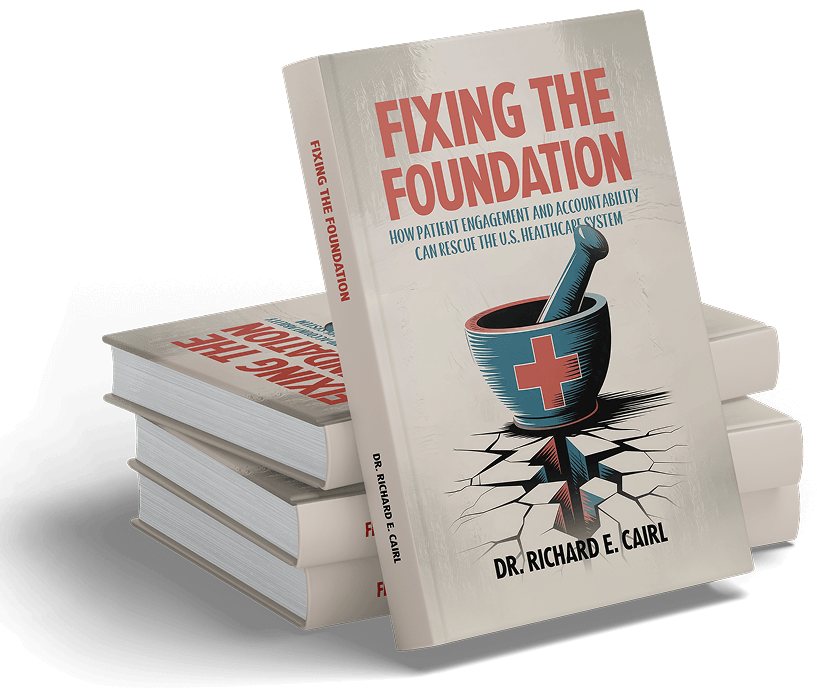
In Fixing the Foundation: How Patient Engagement and Accountability Can Rescue the U.S. Healthcare System, Dr. Richard E. Cairl explains why better outcomes depend on patients becoming informed and involved partners. The book examines the responsibilities of patients, providers, healthcare organizations, and policymakers in building a system based on clear communication and shared responsibility.
A successful medical visit should end with more than a prescription. It should end with a patient who understands the plan and knows what to do next.
Get your copy today: https://www.amazon.com/dp/B0GRCRBKB6/