Improving health can feel overwhelming. Patients may be told to lose weight, exercise more, change their diet, manage stress, take several medications, monitor symptoms, and attend regular appointments. When every recommendation arrives at once, even a motivated person may struggle to begin.
Lasting change often starts with a smaller commitment.
A patient managing high blood pressure might begin by taking medication at the same time each day. Someone with diabetes might commit to checking blood sugar every morning. A person who has been inactive could start with a ten minute walk after dinner. These actions may appear modest, but they create a foundation for more consistent behavior.
Small commitments work because they are easier to understand, remember, and repeat. They reduce the fear of failure and allow patients to experience progress. Each completed action strengthens confidence and makes the next step feel more achievable.
Consistency matters more than an ambitious plan that quickly becomes impossible to maintain. Exercising intensely for one week may produce less benefit than walking regularly for several months. Following a strict diet briefly may be less useful than making one practical food change that becomes part of daily life.
Healthcare providers can support this process by helping patients choose goals that fit their circumstances. Recommendations should consider work schedules, physical limitations, family responsibilities, finances, transportation, and access to suitable food or facilities. A plan that ignores daily reality is unlikely to succeed.
Goals should also be specific. Telling someone to become healthier provides little direction. Agreeing to take medication with breakfast, drink water instead of a sugary beverage at lunch, or attend a scheduled follow up appointment creates a clear action.
Patients should track their progress and discuss difficulties honestly. Missing a goal does not mean the entire effort has failed. It may mean the commitment was too large, the timing was unsuitable, or an unexpected barrier needs to be addressed. The plan can then be adjusted rather than abandoned.
Support from family members, healthcare professionals, reminders, patient portals, health coaching, and monitoring tools can also help patients remain consistent. However, the patient must still perform the daily action. Progress is created through repeated choices, not information alone.
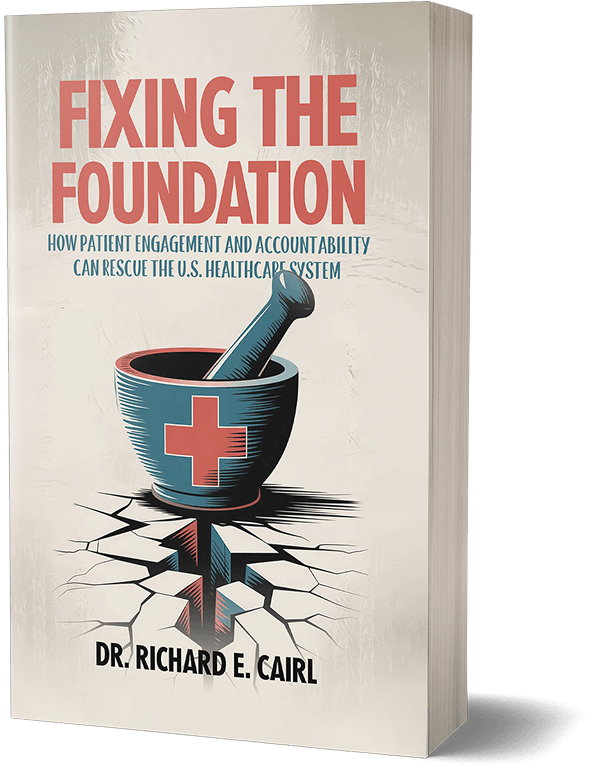
In Fixing the Foundation: How Patient Engagement and Accountability Can Rescue the U.S. Healthcare System, Dr. Richard E. Cairl explains why meaningful healthcare improvement depends on what patients do between medical visits. The book examines how practical support, clear communication, patient engagement, and shared responsibility can help people manage their health more effectively.
Major health improvements do not always begin with major decisions. They often begin with one realistic promise, repeated until it becomes part of everyday life.
Get your copy today: https://www.amazon.com/dp/B0GRCRBKB6/