Many patients leave medical appointments with instructions, prescriptions, and follow up plans, yet remain unsure about what they should do next. Becoming more engaged in your healthcare does not require medical training. It requires curiosity, preparation, honest communication, and a willingness to take part in decisions that affect your health.
Start by preparing for appointments. Write down your symptoms, concerns, medications, and questions before you arrive. Include when symptoms began, what makes them better or worse, and whether they affect your daily activities. Clear details help your healthcare provider understand what is happening and use the appointment wisely.
Ask questions when something is unclear. You should understand your diagnosis, treatment options, medication instructions, possible side effects, and the next steps in your care. Asking a provider to explain something again is not disrespectful. It is a necessary part of making informed decisions.
Repeat important instructions in your own words before leaving. This helps confirm that you understood what the provider intended. A simple misunderstanding about medication dosage, diet, testing, or follow up care can create serious problems later.
Be honest about what you can and cannot do. A treatment plan may be medically appropriate but difficult to follow because of cost, transportation, work, family responsibilities, or personal concerns. Your provider cannot adjust the plan if these difficulties remain hidden.
Keep accurate health records. Maintain a current list of medications, allergies, diagnoses, previous procedures, and important test results. Bring this information to appointments, especially when seeing a new provider or specialist.
Follow the care plan you helped create. Take medications as agreed, attend appointments, monitor symptoms, and complete recommended tests. When something is not working, contact your healthcare team rather than quietly stopping treatment.
Pay attention to changes in your condition. Learn which symptoms require immediate care and which should be discussed at your next appointment. Reporting a problem early may prevent it from becoming more serious.
Use available support. Patient portals, medication reminders, health coaching, remote monitoring, family assistance, and community programs can make health management easier. Accepting help is part of responsible care.
Most importantly, remember that healthcare is a partnership. Providers bring clinical knowledge, while patients bring personal experience and daily action. Better results are more likely when both sides communicate clearly and accept responsibility.
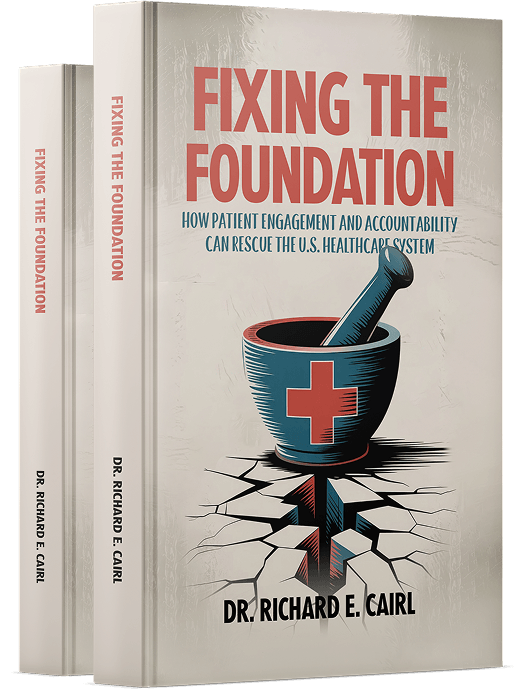
In Fixing the Foundation: How Patient Engagement and Accountability Can Rescue the U.S. Healthcare System, Dr. Richard E. Cairl explains how patients can move from passive recipients of care to active health partners. The book offers practical guidance for patients, providers, healthcare organizations, and policymakers seeking better outcomes through shared responsibility.
An engaged patient does not have every answer. An engaged patient asks questions, understands the plan, speaks honestly, and takes action.
Get your copy today: https://www.amazon.com/dp/B0GRCRBKB6/