Healthcare depends on science, technology, clinical skill and access to the right treatment. But even the best care plan can fail if one crucial ingredient is missing: trust.
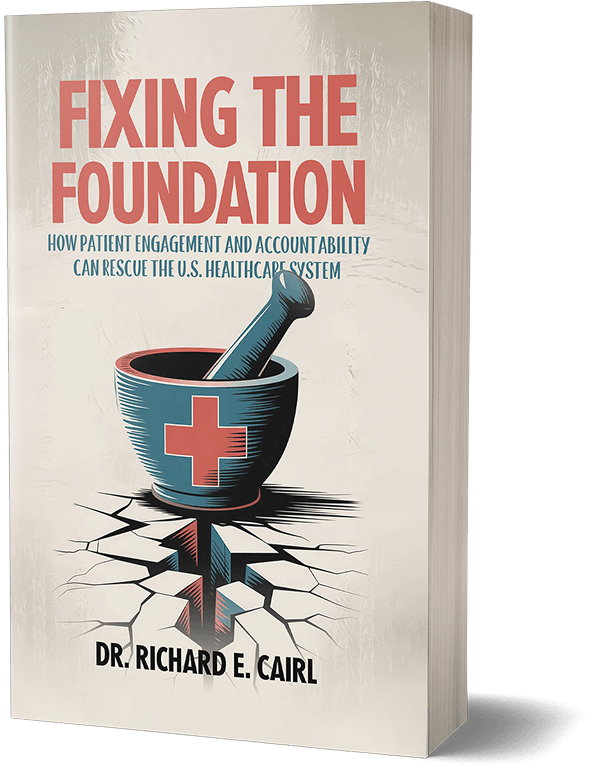
In Fixing the Foundation: How Patient Engagement and Accountability Can Rescue the U.S. Healthcare System, Dr. Richard E. Cairl emphasizes that meaningful patient engagement does not begin with instructions. It begins with relationships.
Patients are more likely to ask questions, share concerns, follow treatment plans and participate in decisions when they feel heard and respected. Without trust, even accurate medical advice can be ignored, misunderstood or resisted.
That makes trust more than a “soft skill.” It is part of how care actually works.
Dr. Cairl explains that patient engagement is influenced by communication, health literacy, cultural understanding, emotional readiness and the quality of the patient-provider relationship. A rushed or impersonal encounter can leave patients confused or disconnected. A collaborative conversation, on the other hand, can help patients understand not only what they should do, but why it matters.
This distinction becomes especially important in chronic disease management.
Conditions such as diabetes, hypertension, cardiovascular disease and obesity often require long-term behavior change. Patients may need to take medications consistently, monitor symptoms, adjust diet, become more physically active or attend regular follow-up appointments. Those actions do not happen automatically because a doctor recommends them.
They often depend on whether the patient believes the provider understands their circumstances, respects their concerns and is working with them rather than simply directing them.
That is why Fixing the Foundation highlights approaches such as shared decision-making, motivational interviewing, active listening, teach-back and culturally responsive communication. These strategies help move healthcare away from a one-sided model and toward genuine partnership.
Trust also matters when accountability enters the conversation.
Dr. Cairl argues that patients should play an active role in their own health, but he rejects the idea that accountability should be based on shame or blame. Patients are more likely to accept responsibility when expectations are clear, support is available and the relationship feels respectful rather than judgmental.
In that environment, accountability can become empowering.
Trust also has a broader system-level impact. When patients feel dismissed, confused or disconnected, they may avoid follow-up care, fail to disclose important information or become less willing to participate in treatment decisions. When they feel respected and included, they are more likely to remain engaged.
Even emerging technologies must account for this human dimension.
Dr. Cairl explores AI chatbots and digital health tools as ways to support patients between visits, but he also stresses the importance of transparency, safety, empathy and human oversight. Technology may extend care, but it cannot replace the credibility and relational depth of a trusted healthcare professional.
That is one of the most important lessons in Fixing the Foundation.
Healthcare reform is often discussed in terms of cost, access, quality and technology. Yet none of those areas can reach their full potential if patients do not trust the people and systems asking them to participate.
In that sense, trust may be one of healthcare’s most important treatments.
Fixing the Foundation: How Patient Engagement and Accountability Can Rescue the U.S. Healthcare System by Dr. Richard E. Cairl offers a timely vision of healthcare built on partnership, engagement, accountability and mutual respect.
Read the book on Amazon: https://www.amazon.com/dp/B0GRCRBKB6/