Healthcare reform in the United States has been debated for decades. Policymakers, healthcare leaders, and economists regularly propose new payment models, insurance reforms, and technological innovations intended to improve the system. Yet despite billions of dollars invested in reforms, healthcare costs continue to rise and chronic diseases remain widespread. One critical element is still often overlooked in these conversations: the patient.
Healthcare systems are frequently designed around institutions, providers, and policies. However, the most important determinant of health outcomes often lies outside hospitals and clinics. It exists in the daily habits, decisions, and behaviors of individuals. For healthcare reform to succeed, it must begin by recognizing patients as central participants in their own health journey.
Many of the most common health problems in the United States are linked to lifestyle and behavior. Conditions such as diabetes, heart disease, hypertension, and obesity are influenced by everyday choices related to diet, physical activity, medication adherence, and preventive care.
Doctors and healthcare providers can diagnose conditions and prescribe treatments, but patients manage their health during the many hours they spend away from clinical care. The actions individuals take at home, at work, and in their communities often determine whether treatment plans succeed or fail.
When patients are engaged and informed, they are more likely to monitor symptoms, follow medical advice, and maintain healthy behaviors. These actions improve outcomes and reduce the need for costly medical interventions.
Patient engagement refers to the active involvement of individuals in managing their health and making informed decisions about their care. Engaged patients tend to ask questions, understand their treatment plans, and communicate openly with healthcare providers.
Research consistently shows that patients who participate actively in their care experience better outcomes. They are more likely to take medications correctly, attend follow up appointments, and participate in preventive services such as screenings and vaccinations.
These behaviors can reduce hospitalizations, slow the progression of chronic disease, and improve overall quality of life. In many cases, patient engagement is one of the most effective ways to improve healthcare outcomes without dramatically increasing costs.
Historically, healthcare in the United States has followed a provider centered model. Doctors and institutions make most decisions, while patients are expected to follow instructions. This structure can sometimes leave patients feeling confused or disconnected from their own care.
Short clinical visits and complex medical terminology may prevent patients from fully understanding their conditions. Fragmented care systems can also make it difficult for individuals to navigate treatments, medications, and follow up services.
As a result, many patients unintentionally become passive participants in their healthcare. Reform efforts that focus only on hospitals, insurers, or government programs cannot address this underlying problem.
Building a Partnership Model of Healthcare
Effective healthcare reform requires a shift toward partnership. Patients, providers, and healthcare systems must work together to improve outcomes.
Healthcare organizations can support engagement by improving communication, providing education, and offering tools that help individuals manage their health. Digital health technologies, patient portals, and remote monitoring tools can also help patients stay connected with care teams between visits.
Equally important is creating an environment where patients feel comfortable asking questions, discussing concerns, and participating in decisions about their treatment.
Why the Future of Healthcare Depends on Patients
The long term sustainability of healthcare depends on prevention, early intervention, and effective chronic disease management. These goals cannot be achieved by healthcare institutions alone. In this regard, patients play a vital role in shaping health outcomes through daily choices and behaviors. When individuals are supported and empowered to participate in their care, the healthcare system becomes more efficient and effective, which allows us to reform the system, improving the overall healthcare in the USA.
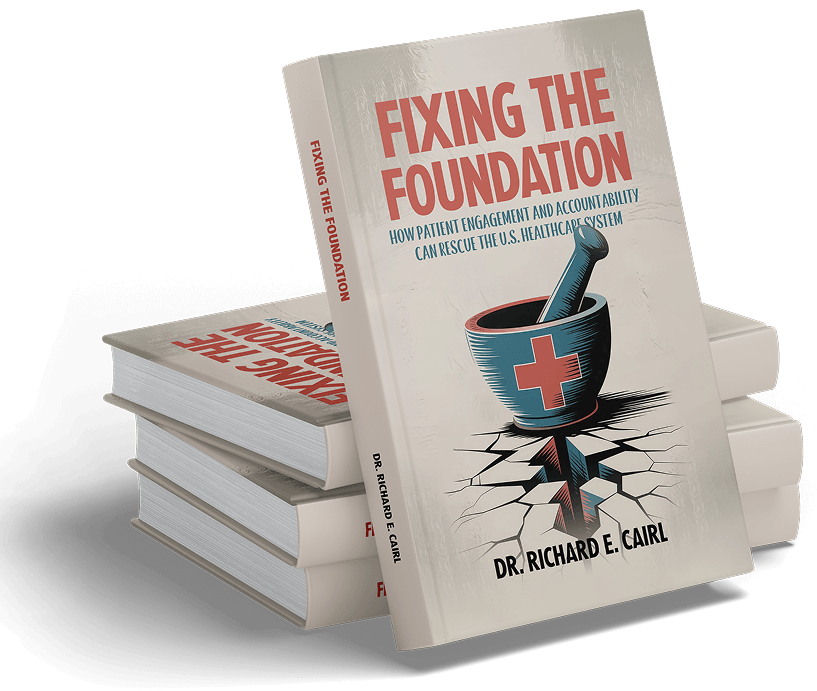
If you are interested in exploring this topic further, you may consider reading Fixing the Foundation: How Patient Engagement and Accountability Can Rescue the U.S. Healthcare System by Dr. Richard E. Cairl. The book offers a thoughtful and evidence-based examination of how patient engagement and accountability can strengthen healthcare systems, improve outcomes, and help address some of the most pressing challenges facing American healthcare today.
Available Now On Amazon: https://www.amazon.com/dp/B0GRCRBKB6/